 ART
ARTArt
Burning Bright
(So Long Lives This)
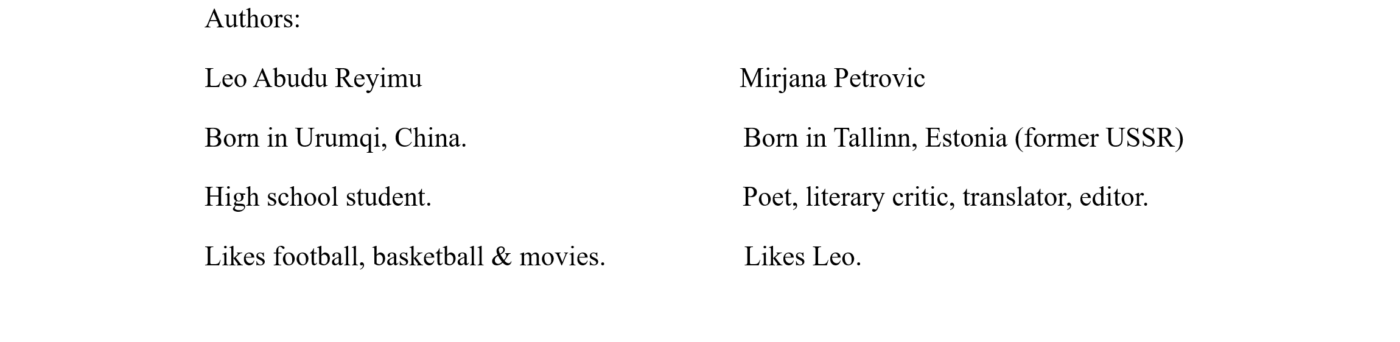
by Reyimu Abudu & Mirjana Petrovic
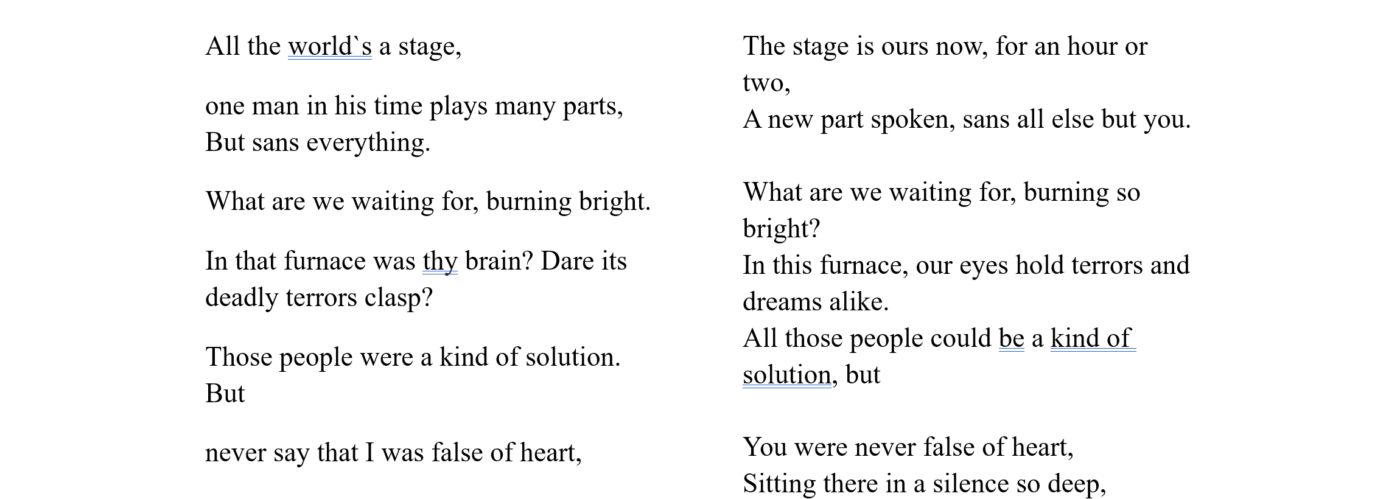
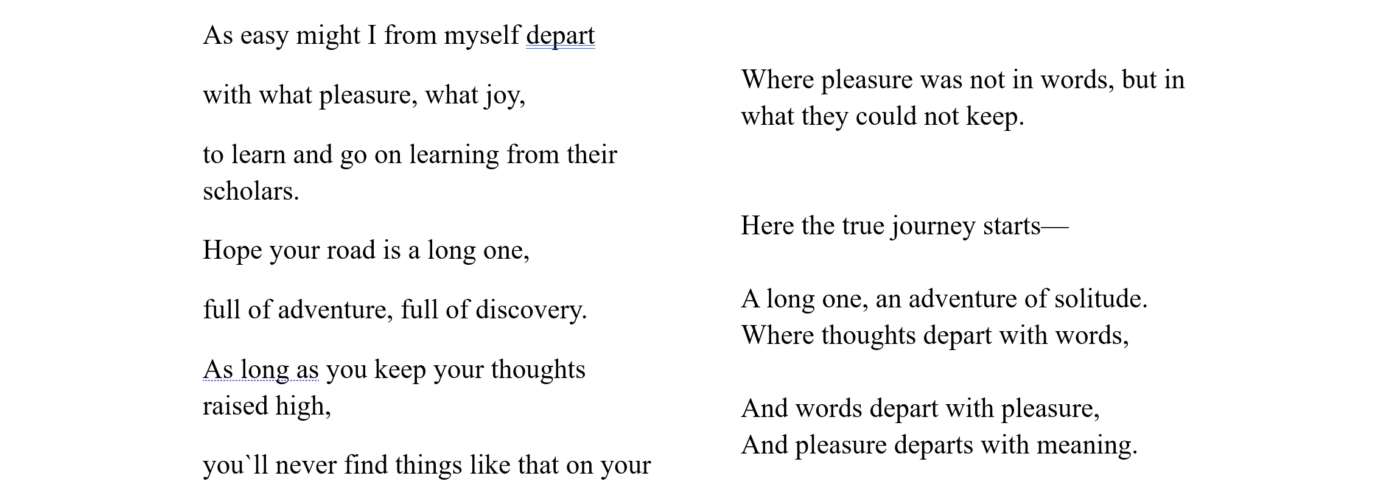
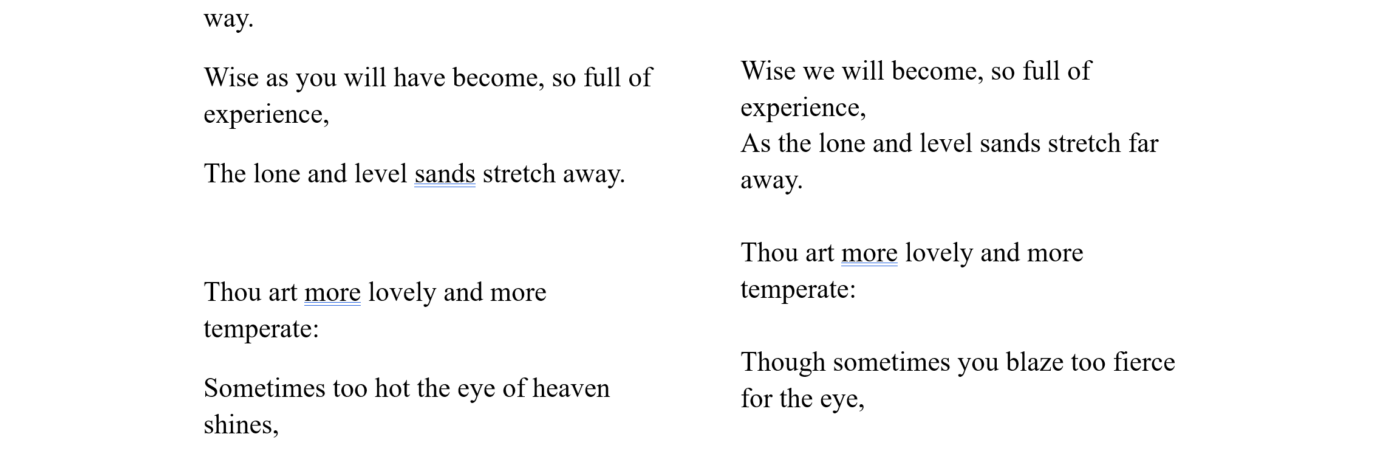
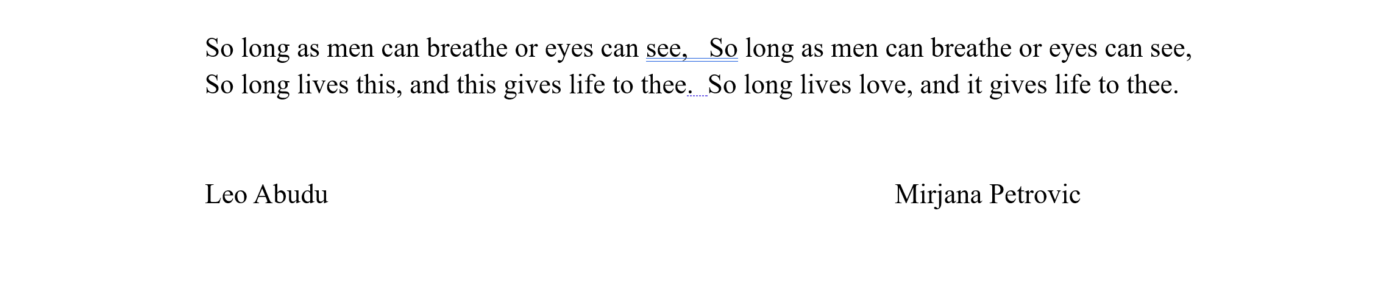
These “remixed poems” are more than collages. They are conversations across centuries, proving that every creator stands on the shoulders of those who came before. We did not just read poetry; we touched it, took it apart, and gave it a new life. The result is a unique anthology where the voices of the past meet the vision of the present.
Leo Abudu`s poem is an excellent example of a cento—a patchwork poem composed entirely of lines from other works. The art lies not just in the selection, but in the new meaning created by the juxtaposition. Leo absorbed the works of the Great Masters and gave his view on:
- Theatricality of Life: It opens with Shakespeare's famous metaphor from As You Like It, establishing life as a performance where we “play many parts.”
- Existential Urgency & Terror: It then plunges into a more intense and fiery realm with lines from Blake (“burning bright”) and Shelley (“In that furnace was thy brain?”), evoking creation, destruction, and daring.
- Love and Constancy: A pivot to another Shakespearean sonnet (“never say that I was false of heart”) introduces a personal, relational anchor amidst the chaos.
- The Joy of Learning and Journey: The tone becomes aspirational with Cavafy's voice (“Hope your road is a long one”), celebrating discovery and the perpetual student mindset.
- Legacy and Eternity: It concludes by returning powerfully to Shakespeare (Sonnet 18), contrasting the fleeting “eye of heaven” with the eternal life granted by poetry and art (“So long lives this, and this gives life to thee”).
Leo`s poem feels like a condensed epic. It moves from the macro (the stage of the world) to the micro (the “furnace” of the brain, a faithful heart) and back to the macro (the “lone and level sands” of time). The central message seems to be: Within the brief, dramatic, and often terrifying performance of life, our constants are love, the pursuit of knowledge, and the enduring power of art to preserve our essence. The final lines are a triumphant declaration that the “parts” we play and the love we express can achieve a form of immortality.
My own lines echo his ideas and feelings through the eyes of others.